Iran’s ruling clerics are preparing days of mass funeral rites for Ayatollah Ali Khamenei as a show of public devotion to the Islamic Republic and proof that its revolutionary fervour still burns strong.
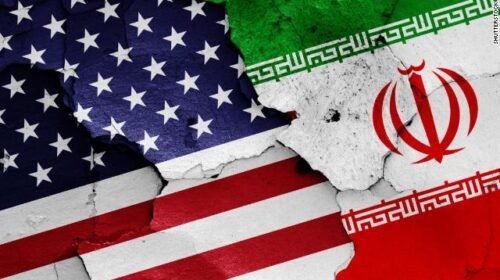
Iran’s supreme leader was killed by U.S. and Israeli strikes in their first attack of the war and the funeral events will begin over the weekend in Tehran, with mass processions planned next week in Qom and Mashhad and ceremonies in Iraq.
“The large public turnout at the funeral procession of the martyred leader and the other martyrs will, in effect, be another referendum for the Islamic Republic,” Qom Friday prayer leader Ayatollah Mohammad Saidi declared to state media.
Khamenei’s death, and the succession of his son Mojtaba as Iran’s third supreme leader, in a conflict with its greatest foes, mark an epochal moment in the Islamic Republic’s 47-year history. Mojtaba, dangerously wounded in the strike that killed his father, has not been seen in any new image since the war began.
Across the country, many Iranians are tired of decades of sanctions throttling their economy and angry at the repression meted out in the name of a 1979 revolution that only older people in a mostly young population can remember.
Then, millions of sobbing people mobbed Khomeini’s funeral procession and some climbed on the ambulance, the dead leader’s naked leg spilling from his shroud as Revolutionary Guards battled to push back the crowd.
In Iran’s theocratic system, Khamenei was not only head of state and leader of a revolutionary movement, but the representative on earth for Shi’ite Islam’s 12th imam who disappeared in the ninth century.
Khamenei’s death in an enemy attack plays into a powerful Shi’ite tradition of martyrdom and mourning, in which processions of black-clad flagellants beat their chests or backs during annual religious commemorations.
That potent symbolism has been evident in the black funeral flags hanging over city streets since his death and in mourning ceremonies for him referencing the martyrdom of Shi’ism’s third imam, Hossein.
On Thursday, workers were stringing up new posters in Tehran proclaiming support for the new leader Mojtaba, with the images of the late Khamenei and a raised revolutionary fist behind him.