Electricity crisis shares a long history with Kashmir and its people. The disruptions are not new and people familiar with the disruptions already prepare in advance for them. A household here can’t survive without an inverter or gen-set.
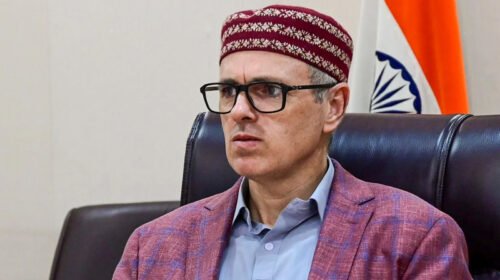
The Jammu and Kashmir cabinet headed by Chief Minister Omar Abdullah on Friday approved power infrastructure projects worth Rs 93 crore for Srinagar aimed at improving electricity transmission capacity and reducing power interruptions across the city and adjoining areas.
An official spokesperson said the approval was accorded during the sixth meeting of the Council of Ministers chaired by the chief minister.
According to the spokesperson, the cabinet approved the augmentation of the Grid Sub Station at Zainakote from 450 MVA to 780 MVA at an estimated cost of Rs 67.66 crore.
The Council of Ministers also cleared the upgradation of the 132 KV Pampore-Rawalpora and Rawalpora-Bemina transmission lines at a cost of Rs 25.47 crore.
The spokesperson said the projects are expected to significantly strengthen the power infrastructure in Srinagar and surrounding areas by enhancing transmission capacity and ensuring a more reliable electricity supply to consumers.
“The augmentation of the Zainakote Grid Sub Station, along with the transmission line upgrades, is expected to improve overall grid stability and help meet the growing electricity demand in the region, particularly during peak load periods,” the spokesperson said.
Officials said the projects are part of the government’s broader efforts to modernise the power sector infrastructure and address increasing electricity demand in urban and semi-urban areas of the Valley.
The Kashmir Power Distribution Corporation Limited (KPDCL) has informed that a series of planned shutdowns across multiple grid stations and 33 kV transmission lines will be carried out between May 16,2026 and June 07,2026 for essential maintenance works, resulting in temporary disruption of electricity supply across several districts of Kashmir.
Kashmir’s power crisis
Kashmir’s majority areas have to frequently battle power disruptions for most of the year. The 24/7 power supply is still a dream for the people despite the valley having abundance of water resources for hydrological power generation.
Metered areas complain of erratic power cuts despite the promise of uninterrupted electricity whereas non-metered areas don’t even receive electricity for long stretches of time. The situation is so hopeless that people have despaired of complaining.
In Winters the situation worsens further complicating things for the people.