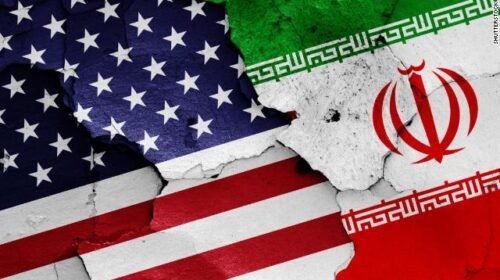
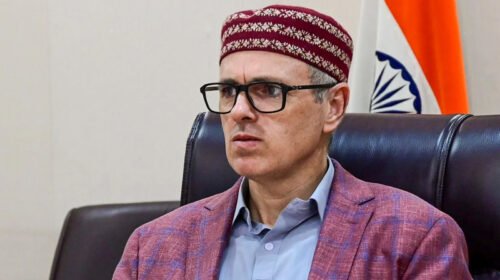
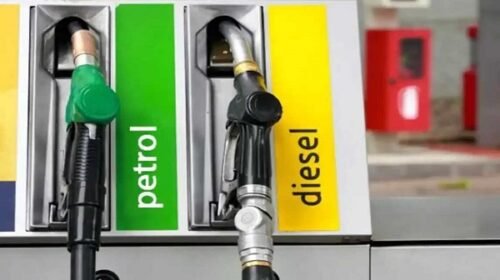
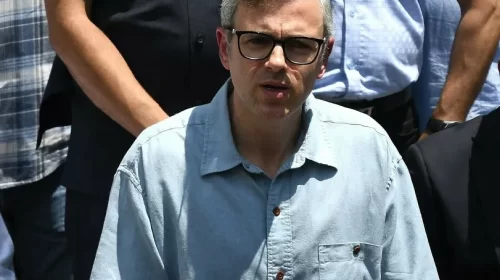
The US Iran conflict seems to be pinching above as the politicians are feeling the heat. The recent statement by the political figure shows that the conflict is at a fragile stage as the comments made are concerning for the common people who are already reeling under the fuel crisis.
National Conference (NC) President Farooq Abdullah on Tuesday warned that the country was heading towards a major energy and economic crisis if the ongoing conflict in West Asia was not resolved soon.
Talking to reporters in Srinagar, Abdullah, the three-chief minister said the escalating tensions between Iran and the United States could trigger a severe fuel and gas shortage with devastating economic consequences.
“A crisis is coming upon us — fuel crisis, gas crisis. We are heading towards destruction,” he said.
Responding to a question on the country’s economy, Abdullah said the situation was already grim and warned that a prolonged conflict could worsen it further.
“Yes, the economy is definitely finished. If this Iran-US conflict does not end soon, God knows what is in fate for us,” the former chief minister said.
He said the government was considering shifting schools to online mode in an effort to conserve fuel, but cautioned that such a move could adversely affect students lacking access to digital facilities.
“However, everyone does not have the online facility. We will have to think and do something about it because education is very important,” Abdullah said.
Prime Minister Narendra Modi had recently urged citizens to conserve fuel and reduce imports amid rising global energy prices and mounting pressure on India’s foreign exchange reserves.
Earlier, during an interaction with senior party leaders and office bearers at the Nawa-e-Subah party headquarters, he expressed deep concern over the escalating Iran-US tensions and said the conflict must end immediately under all circumstances.
Abdullah warned that continuation of the war could push not only the Middle East but the entire world into severe economic, financial and humanitarian crises.
He cautioned that failure to stop the conflict could lead to a global shortage of petroleum products, resulting in soaring inflation, rising unemployment and widespread economic instability.
The former chief minister also warned of the possibility of a collapse of the global economic system if the situation deteriorates further.
Referring to the Prime Minister’s recent address to the nation, he said it reflected the seriousness of the prevailing war-like situation and the energy challenges India may face if the crisis prolongs.
Abdullah described the Prime Minister’s appeal for work-from-home arrangements as a realistic and timely measure under the current circumstances.
However, he expressed concern over the promotion of online education, saying it could create hardships for students from poor and middle-class families who lack access to internet facilities, mobile phones and laptops, thereby widening educational inequality.